Living in Plano, TX: The Pros and Cons
If you’re thinking about moving to Plano, one of the first things to know is that different parts of the city can feel very different.
Plano stretches across a large area, and where you live can affect everything from the style and age of the homes around you to where you shop, eat and spend your time.
You can find established neighborhoods with mature trees and parks, newer homes and townhomes, walkable areas with restaurants and shopping, and major employment centers, all within the same city.
So, let’s look at some of the pros and cons of living in Plano.
Pro: A Wide Variety of Homes and Neighborhoods
One of the things I like about Plano is the variety.
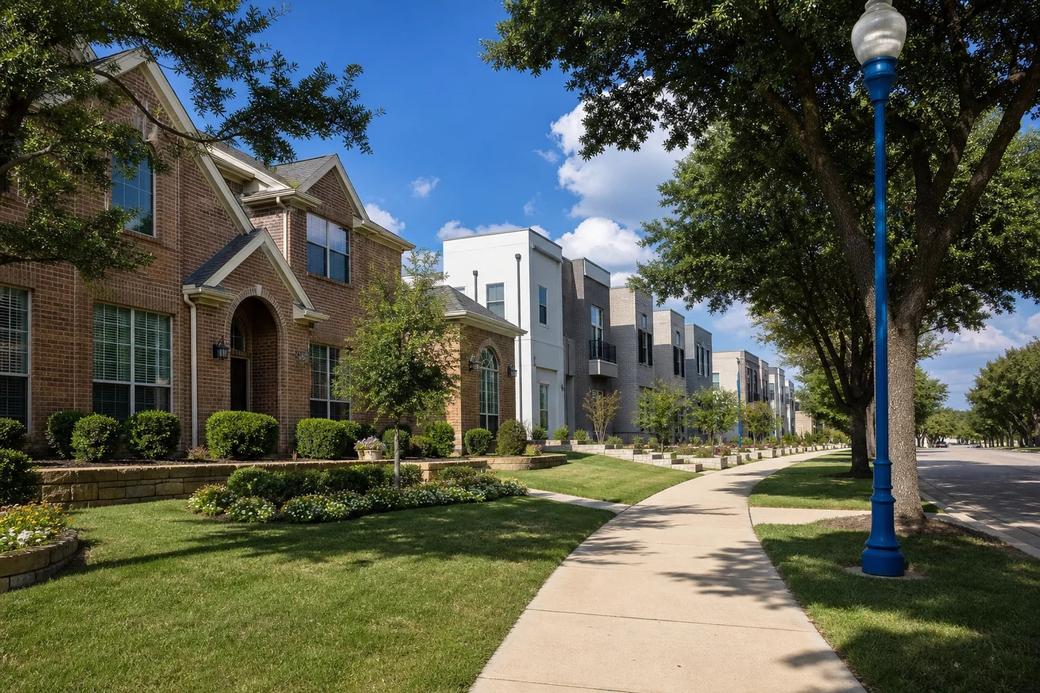
Some of the more established parts of the city have homes built across several decades, mature trees, larger yards and neighborhoods that feel very different from newer areas.
Head west toward the Legacy area and the feel changes. You’ll find newer homes and townhomes, major employment centers, restaurants, shopping and more of an urban-suburban atmosphere.
There is still some newer construction in Plano, although much of it includes townhomes and higher-priced single-family homes rather than the large new-home communities with multiple builders and floor plans that you’ll find farther north.
That variety gives buyers quite a few different ways to live in Plano without leaving the city.
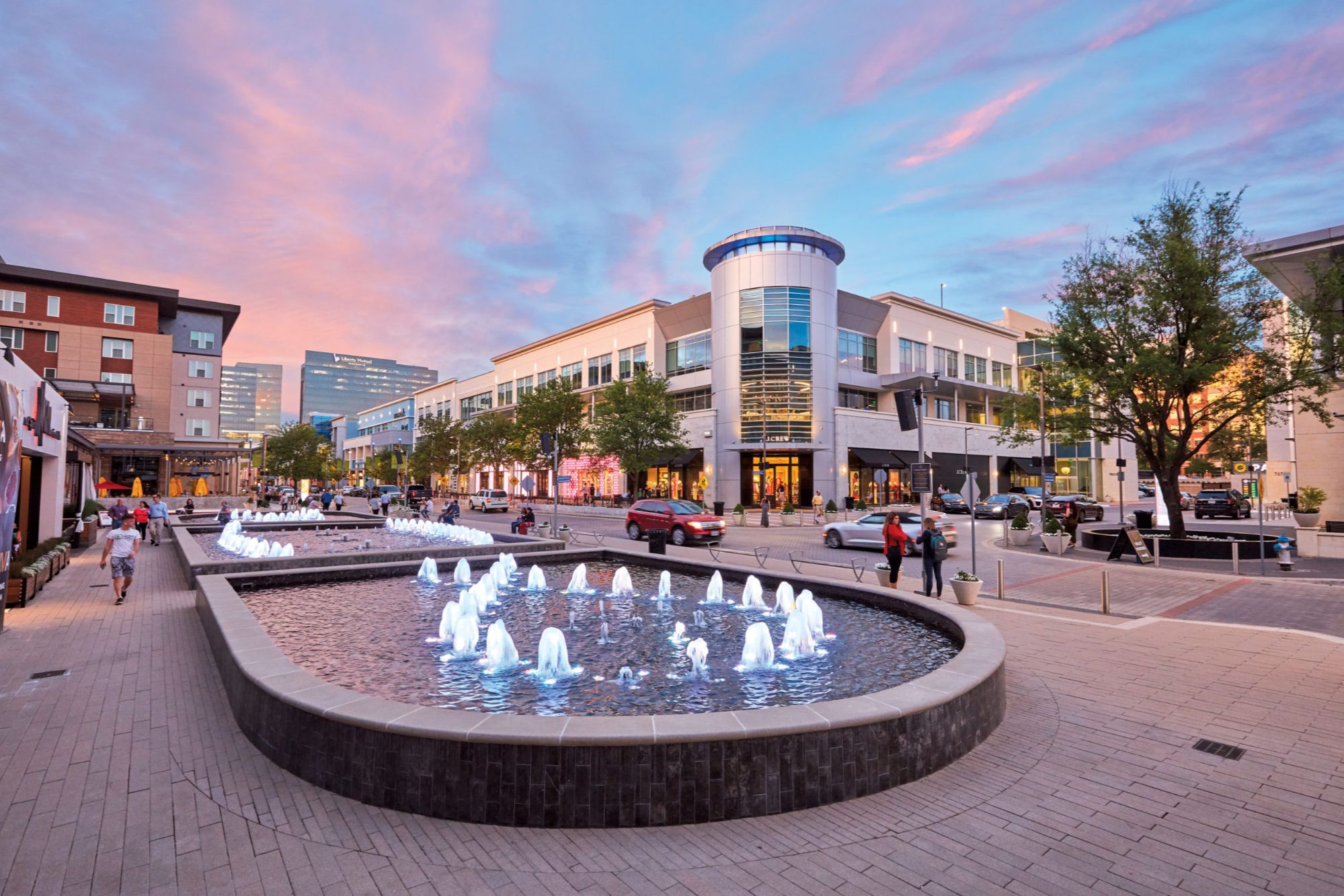
Pro: Shopping, Dining and Walkable Areas
Plano has plenty of shopping and dining, but two areas stand out because they offer something a little different.
Legacy West has restaurants, shopping, offices and residential options all together. It’s one of the areas of Plano where you can park the car and walk to quite a few things.
Downtown Plano offers another walkable experience, but with a completely different feel. You’ll find restaurants, shops and entertainment mixed into the historic downtown area.
That contrast is one of the things that makes Plano interesting. You can go from an older, established part of the city to a much newer mixed-use area without ever leaving Plano.

Pro: Parks and Outdoor Space
Plano has some great parks and trails throughout the city.
Arbor Hills Nature Preserve offers trails and natural areas on the west side of Plano, while Oak Point Park and Nature Preserve provides a large amount of open space, trails and recreation on the east side.
Oak Point is also home to the annual Plano Balloon Festival, one of the city’s best-known events.
Bob Woodruff Park has trails, a lake, fishing, open space and a seven-acre dog park. Together with the nearby Oak Point area, it gives that part of Plano a lot of outdoor space.
Pro: Schools
Schools are one of the things many buyers research when considering a move to Plano.
As with any home search involving schools, buyers should verify the current school assignment for the specific property they're considering. Attendance boundaries can change, and not every Plano address is necessarily served by the school someone assumes based on the neighborhood or ZIP code.
Something to Consider: Getting Around Plano
Plano’s location gives you several major routes for getting around North Texas.
US-75, also known as Central Expressway, runs along the eastern side of the city. The Dallas North Tollway serves the western side, and the President George Bush Turnpike runs along the southern portion of Plano.
That’s convenient, but Plano is big enough that looking only at the number of miles between a house and your workplace can be misleading.
If commute time matters, look at the actual route and research typical travel times during the hours you’ll normally be traveling. A home in east Plano and a home in west Plano can produce very different daily commutes depending on where you need to go.
Pro: Plano Has Public Transportation Options
Unlike many of the suburbs farther north, Plano is part of the DART service area.
DART rail and bus service provides another transportation option in parts of the city, and the Silver Line adds another regional connection through Plano.
That doesn’t mean every part of Plano is easily navigated without a car. Like much of DFW, most people will still find a car useful for everyday life. But having public transportation available is an option that some buyers may want to consider.
Con: Traffic Comes With the Location
The same roads that make Plano convenient can also get busy.
US-75, the Dallas North Tollway, the President George Bush Turnpike and some of the major east-west roads through Plano can become congested, particularly during peak travel times.
Again, this is why I wouldn’t judge a commute simply by looking at mileage on a map.
Con: Plano Is Not One Simple Housing Market
This isn't necessarily a bad thing, but it does mean you need to understand what you're looking at.
The age, style and price of homes can change considerably depending on which part of Plano you're considering. An established neighborhood in east or central Plano can offer a very different experience from a newer townhome or home near the Legacy area.
That's why comparing homes in Plano isn't always apples to apples.
Is Living in Plano, TX Right for You?
Plano gives you a lot of choices.
You can find established neighborhoods with mature trees, newer homes and townhomes, parks and trails, major shopping and dining areas, walkable destinations such as Legacy West and Downtown Plano, and access to several of the major roads that connect North Texas.
The key is figuring out which part of Plano fits the way you actually want to live.
Want to see what's currently available? Browse homes for sale in Plano.
If you're thinking about moving to Plano, I'd be happy to help you sort through the options and find the area that feels right for your next home.
Give me a call or text at 214-842-6001.
Categories
Recent Posts