Moving Closer to Family: Plan Your Move

Moving closer to family gives you a built‑in support network, but simply shrinking the distance won’t automatically untangle tight schedules or vague expectations. Often, a six‑to‑twelve‑month rental makes more sense than jumping straight into a purchase. I help you think through the real estate side of the move, compare North Texas locations, and find a home that fits what you're trying to accomplish.
Table of Contents
- Step 1: Clarify What Moving Closer to Family Should Accomplish
- Step 2: Set a Housing Budget That Includes the Full Move
- Step 3: Compare North Texas Locations by Daily Life and Property Fit
- Step 4: Check the Home's Ability to Support Changing Family Needs
- Step 5: Build a Relocation Timeline
- Frequently Asked Questions About Moving Closer to Family
- Conclusion
Step 1: Clarify What Moving Closer to Family Should Accomplish
Before you start looking at homes, think about what you actually want moving closer to family to accomplish. “I want to be nearby” feels nice, but it isn’t yet a concrete plan for choosing a home or setting a budget.
Picture what “nearby” looks like day‑to‑day. Do you want a shorter drive for weekly dinners? More help with an aging parent? A spot where relatives can stay for longer visits? Or are you simply staying in the same region while keeping your own routine?
Then have the same conversation with your family before you tour homes. You may find that everyone has a slightly different idea of what living closer will look like. One person may picture a standing Sunday meal while another expects occasional visits. Neither is wrong, but unspoken expectations can turn a hopeful move into tension.
I recommend setting a distance limit in minutes, not miles. A home that looks close on a map can take far longer during rush hour. Test the drive at the time you’d actually make it, factoring in toll roads, highway work, airport traffic, and the cost of repeated trips.
Financial ties matter, too. If a parent might transfer a residence or help with a purchase, pause before signing anything. A property gift can affect control, taxes, basis, financing, and future expenses. The federal gift tax rules are only one piece of the puzzle, so talk with a CPA and estate attorney before any transfer.
When I talk about the real‑estate side of the decision, I focus on comparing locations and property choices, but you and your family should agree on the relationship goal first.
Key Takeaway: Define the contact you want, then test the drive and family expectations before you choose an address.
Step 2: Set a Housing Budget That Includes the Full Move
Moving closer to family can shift your monthly costs even when the home price looks manageable. Look at the full cost of living in the home, not just the mortgage payment.
Ask your lender for a payment estimate that includes principal, interest, property taxes, homeowners insurance, and any required mortgage insurance. If the home is in a planned development, also ask about association dues and what those dues cover. Getting the estimate in writing lets you compare homes on the same terms.
Texas has no state property tax, but local authorities still assess property taxes, and the total can vary by county, city, school district, and special district. A seller’s current bill may reflect exemptions or valuation limits that won’t transfer to you. Look at the property's tax history and have your lender update the payment estimate based on what you may actually pay.
After closing, check whether you qualify for a residence homestead exemption. It can reduce the taxable value of your primary residence. The application goes through the appraisal district for the county where the property sits. My Texas homestead exemption guide can help you understand the next steps, but the appraisal district and your tax adviser should answer questions specific to your situation.
And don't forget the costs that are easy to miss:
- Moving labor, packing, storage, and travel during the move.
- Utility deposits, service setup, and repairs before you unpack.
- Higher insurance deductibles or extra coverage for local weather risks.
- Fuel, tolls, parking, and added travel to maintain family visits.
- Furniture or room changes needed for guests or relatives.
- A cash reserve for inspection repairs and early home maintenance.
If you’re moving from another state, don’t assume a Texas address settles every tax question. Income tied to a former job, property, business, or equity award may need separate review. Ask your CPA about residency records and the timing of any large sale or payment.
When the numbers feel tight or the location choice is uncertain, I may suggest renting first. A six‑to‑12‑month lease gives you time to learn the commute, utility costs, weather, and travel pattern before taking on a long‑term payment.
 Pro Tip: Run the budget twice, once for the first year and once for a normal year after moving costs disappear. The second view shows whether the home remains comfortable long term.
Step 3: Compare North Texas Locations by Daily Life and Property Fit
When you’re moving closer to family in North Texas, think about the life around each home, not just the home’s rooms. Dallas-Fort Worth is large enough that two addresses can produce very different commutes and routines.
Make a short list of areas to explore. That might include Dallas, Plano, Richardson, Carrollton, Frisco, McKinney, Allen, or another city that keeps you within your target drive. Don’t assume the city name tells you everything. Look at the specific part of town, road access, and the services near the property.
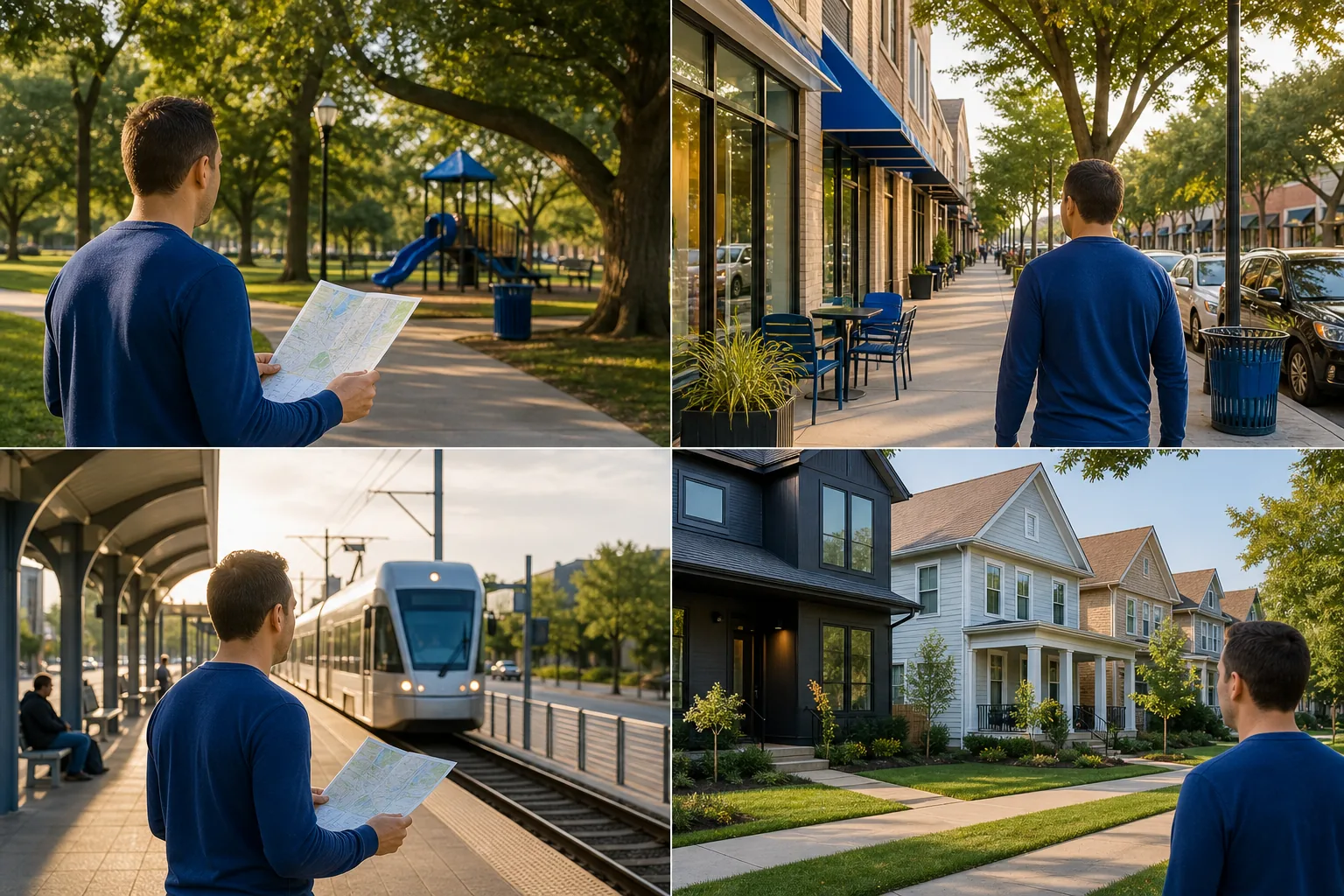
Visit the area at different times and look for the places you would use often, such as a grocery store, pharmacy, coffee shop, park, or transit stop. If walking matters to you, walk the actual route rather than relying only on a map. Weather can change how useful that route feels, especially during a hot North Texas afternoon.
Transportation deserves its own test. Some parts of the region have public transportation options, while many trips still depend on a car. Check the trip to your workplace, your family member’s home, and the airport if you travel often. Drive the routes during the times you would actually use them.
The area also needs to fit your housing plan. Compare older homes with newer construction, along with single-family homes, townhomes, condominiums, or homes with a separate guest area. Each type brings different maintenance, association, parking, and resale considerations.
My Dallas-Fort Worth cities and neighborhoods resource can help you build a starting list of areas to explore. Then visit the locations yourself. Online research can narrow the field, but it can’t tell you how a route feels at the time you actually need to drive it.
Schools may matter to your purchase, even if you don’t have children in the home. Confirm the assigned schools for the exact address and check boundaries, enrollment rules, transfer policies, and academic information through official sources. Boundaries can change, and a nearby school isn’t always the assigned school.
Location is hard to change after closing. A kitchen can be updated. A long daily drive usually can’t.
Key Takeaway: Pick the area that supports your ordinary Tuesday, not only the home that looks appealing during a weekend tour.
Step 4: Check the Home's Ability to Support Changing Family Needs
A home can bring you closer to family and still miss the mark if it can’t adapt to how your household may change. Think about flexibility before you fall in love with the finishes.
List the space you need now, then think about what you may need later. That could mean a quiet room for remote work, a guest bedroom, a first-floor bedroom, or extra storage. It may also mean a layout that lets a relative stay without making the whole house feel crowded.
Look past the room count. Two homes with four bedrooms may work very differently. Look at bedroom placement, bathroom access, stairs, parking, and how the overall floor plan works for you. A single-story layout can be useful if you want fewer stairs, but look at the actual floor plan rather than relying on the listing description.
Think about whether an office could become a bedroom or whether a bonus room offers the privacy you need. If you’re considering adding a room later, make sure you understand any zoning, setback, utility, or association restrictions before treating that possibility as part of your plan.
For older homes, pay close attention to the inspection report. Roof age, foundation movement, drainage, electrical work, plumbing, and air‑conditioning systems can affect the cash you keep after closing. An inspection doesn’t remove every risk; it gives a clearer basis for questions, repairs, and negotiations.
Think about shared use, too. If relatives will visit often, consider things like storage, parking, privacy, and overnight stays. Family closeness works better when the home still gives everyone room to have their own space.
Choose a home that leaves you options. A little unused space today may prevent another move later.
Step 5: Build a Relocation Timeline
Moving closer to family is easier when you separate the emotional decision from the transaction timeline. I suggest working backward from the date you want to live near your family.
Six to twelve months out
Set your family goal and decide whether renting first makes sense. Review your budget with your lender or financial adviser. If you own a home, this is also a good time for us to talk about its value and whether selling before buying makes sense for your situation. Gather the financial documents your lender may need and start thinking about your overall timeline.
Three to six months out
Spend some time in the areas you’re considering and drive the routes you’ll actually use. Start looking at homes that fit your space and payment limits. If you’re renting first, pay attention to the lease term, renewal rules, parking, storage, and the cost of ending the lease early.
If you need to sell your current home, start preparing it for the market. Separate items you plan to move, donate, sell, or discard, and be thoughtful about improvements before spending money on them. A clear timeline is often more helpful than a long list of upgrades.
During the purchase
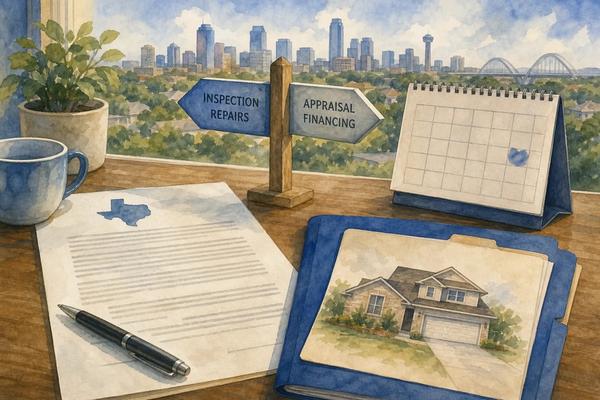
During the purchase, inspections, financing, appraisal, and other contract deadlines become important decision points. The exact terms depend on the contract and negotiation. I’ll help you keep track of the real estate side of the transaction, while your lender, title professional, inspector, attorney, tax adviser, or other professionals handle questions within their expertise.
Review property taxes and insurance early enough to understand how they affect your costs, confirm any information that matters to your decision through the appropriate sources, and keep important documents and answers organized as you move toward closing.
After closing
After closing, take care of the practical pieces that come with a move: update your address and accounts, review whether you’re eligible for a homestead exemption, and settle into your new routine.
By the time you make an offer, you should understand why you’re making the move, what the home will cost, the drive you can live with, and the compromises you’re willing to make.
Frequently Asked Questions About Moving Closer to Family
Is moving closer to family a good idea?
Moving closer to family can be a good idea when you agree on the kind of contact you want and can afford the change. Proximity may make visits easier, but it won’t guarantee a closer relationship. Before you buy, talk with your family about schedules, privacy, support, and travel. A short rental can test those expectations with less financial risk.
Should I rent before moving closer to family?
Yes, renting can be a smart first step when you don’t know the area well. A six‑to‑12‑month lease lets you test traffic, weather, transportation, property costs, and actual visit patterns. It also gives your family time to adjust. Think of the rental as research, not as a failed purchase plan.
How close should I live to my family?
You should live close enough to support the contact you genuinely plan to maintain, not based on a mileage rule. Drive the route during the hours you expect to travel. A location with easy road access may work better than a home that appears closer on a map. Talk through the plan with your family before choosing a target area.
What should I budget for when relocating to North Texas?
Budget for the mortgage, property taxes, insurance, association dues, utilities, moving costs, repairs, travel, and cash reserves. North Texas property taxes and insurance can vary by address, and the seller’s current tax bill may not match yours. Your lender, insurance professional, and tax adviser can help you review the numbers that apply to your situation.
Can living near family improve relationships?
Living near family can make contact easier, but it doesn’t replace clear boundaries or shared effort. Talk about expectations for visits, help, privacy, and holidays before moving closer to family. Leave room for separate routines. A nearby home should support the relationship, not become the only reason you choose where to live.
Conclusion
My recommendation is simple: define the relationship goal, consider renting first if you're unsure, and buy only after the budget and daily drive hold up. Start by writing down the contact you want and the monthly payment you can carry. From there, I can help you compare locations and homes that fit those priorities.
Categories
Recent Posts