Common Home Buying Mistakes in Dallas-Fort Worth
Buying a home is exciting. It's also really easy to get focused on finding the house and overlook some of the things that can cost you money or create problems later.
After more than 18 years in real estate, I've found that most home-buying mistakes aren't caused by buyers doing something crazy. Usually, they happen because someone moved too quickly, didn't know what questions to ask, or simply didn't know what they didn't know yet.
That's exactly why having the right people around you matters.
If you're thinking about buying a home in Dallas-Fort Worth, here are five common mistakes worth avoiding before you write an offer.
Mistake 1: Shopping Before Setting a Realistic DFW Budget
Looking at houses before you know what you can comfortably afford sounds harmless.
Until you fall in love with the $600,000 house and then have to go look at the $500,000 ones.
That's not nearly as much fun.
And qualifying for a certain loan amount doesn't necessarily mean that's what you want to spend.
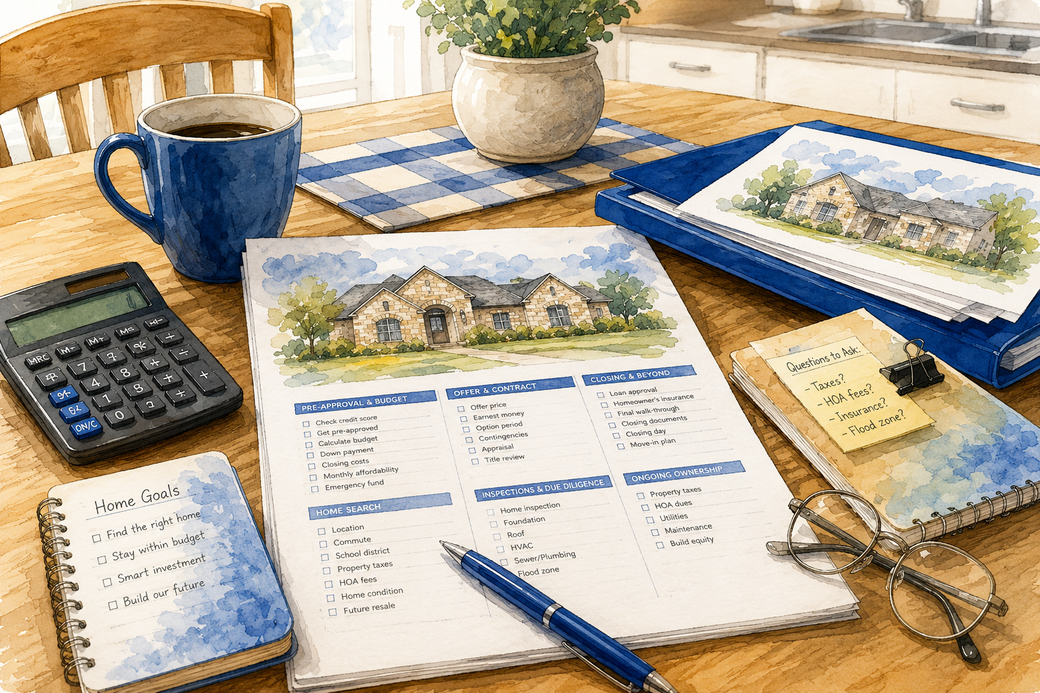
Your actual monthly housing cost can include:
- Principal and interest
- Property taxes
- Homeowners insurance
- HOA dues
- Utilities
- Maintenance and repairs
- PID or MUD costs in some communities
Property taxes can make a noticeable difference from one North Texas home to another, even when the sales prices are similar.
That's why I like buyers to talk with a lender before we get serious about looking at homes. A good lender can help you understand not only what you qualify for, but what different price points may actually look like each month.
If you don't already have a lender, I can help you find one. Having good local professionals involved from the beginning can make the whole process easier.
And once you're pre-approved, don't make major financial changes without talking to your lender first. Buying a car, opening a new credit card, changing jobs or moving a large amount of money around can create issues with your loan.
The important number isn't just what you qualify for. It's what you're comfortable paying every month.
Mistake 2: Looking at the Price Without Looking at the Whole Cost
Two homes in Dallas-Fort Worth can have the exact same sales price and very different monthly costs.
One may have higher property taxes. One may have an HOA. Some newer communities may have a PID or MUD. Insurance costs can vary from property to property too.
That's why comparing homes only by asking, What's the price? doesn't give you the whole picture.
We want to know what owning that particular house is likely to cost.
And if you're looking at several homes and the numbers are starting to run together, that's something we can look at before you ever write an offer. Sometimes putting the costs side by side makes the decision a whole lot clearer.
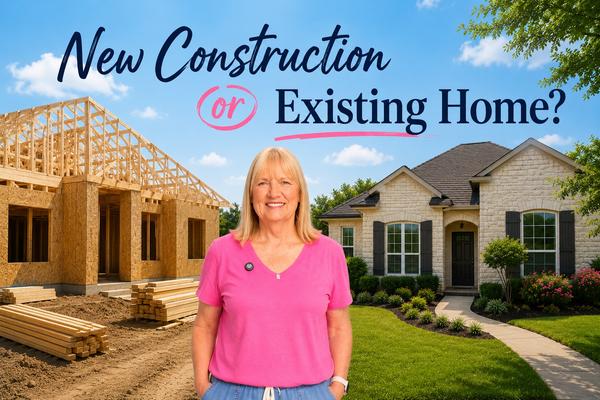
The same thing applies when comparing resale homes with new construction.
A builder may be offering a fantastic incentive, but we still need to look at the base price, upgrades, lot premium, property taxes, HOA costs and financing before deciding which option actually makes more sense.
And if you're considering new construction, get your Realtor® involved before your first visit or conversation with the builder. Your agent should accompany you on that first visit and make sure you're properly registered with the builder.
Mistake 3: Choosing the House Without Looking Closely at the Location
DFW is huge.
Dallas, Plano, Richardson, Carrollton, The Colony, Celina and the many other communities around North Texas can have very different housing options, commute times, tax rates and day-to-day logistics.
Don't rely on how far something looks on a map.
If commute time matters to you, drive it when you'd actually be making that drive. A route that looks perfectly reasonable at 11:00 on Saturday morning may be an entirely different experience at 7:45 on Tuesday morning.
Look at the things that matter to you. Toll roads. Access to work. Property taxes. HOA rules. Parking. The age of the homes. Lot size. The things you can change about a property and, maybe more importantly, the things you can't.
For school information, use current information directly from the school district rather than relying on what you've heard about an area or what someone posted online.
And don't let somebody else's opinion of a neighborhood make the decision for you. Research the facts and decide what works for your own needs.
One of the things I can help with is narrowing down the options based on the actual property features, costs and logistics you're looking for. DFW is a big place. You don't need to search every zip code in North Texas to find the right house.
Mistake 4: Falling in Love With the Pretty Stuff and Missing the Expensive Stuff
I love a beautiful kitchen as much as anybody.
But pretty countertops don't tell us anything about the roof, foundation, HVAC, plumbing, electrical system or drainage.
A showing tells you whether you like the house. An inspection helps you understand the house you're actually buying.
Look beyond the staging and fresh paint. Pay attention to cracks, stains, uneven floors, windows and doors that don't operate correctly, drainage and anything else that raises a question.
Then let a qualified inspector do the inspecting.
Depending on the property, a general inspection may lead to additional evaluations by specialists such as a foundation, roof, sewer, pool or structural professional.
And yes, new construction should be inspected too.
Brand new doesn't mean nobody made a mistake.
The goal isn't to find a perfect house. I've yet to see one.
The goal is to understand what you're buying so you can make an informed decision. And when something needs a specialist, I can help you figure out who needs to answer the question rather than trying to pretend one person knows everything.
Mistake 5: Losing Track of What Happens After You're Under Contract
Getting your offer accepted feels like a huge milestone.
It is.
But you're not finished.
Once you're under contract, there are deadlines for things such as earnest money, the option period, financing, inspections, appraisal, title work, insurance, the final walk-through and closing.
You don't need to memorize all of those dates. That's part of what your real estate professional is there to help you manage.
You do need to respond when your lender, agent, title company or another professional involved in the transaction needs something from you.
And keep your finances boring until closing.
Seriously. Boring is wonderful.
Don't celebrate your accepted offer by financing a houseful of new furniture. Don't open a new credit card because there's a great deal on appliances. And don't change jobs or make a large financial move without talking with your lender first.
Wait until the house is actually yours.
A Few More Home-Buying Mistakes Worth Mentioning
Five makes a nice list, but there are a few others I see often enough that they're worth mentioning.
Letting emotion make every decision. You're buying a home, so of course emotion is involved. But the numbers and terms still need to make sense.
Trying to time the market perfectly. Nobody rings a bell when we've reached the perfect interest rate, perfect price or perfect buying opportunity.
Assuming the asking price tells you what a home is worth. It's a starting point. Comparable sales, condition, location and what's happening in the current market all matter.
Being afraid to ask questions. Please ask them. I'd much rather explain something twice than have you sign something you don't understand.
Frequently Asked Questions About Buying a Home in Dallas-Fort Worth
What is the biggest mistake DFW home buyers make?
One of the biggest is focusing on the purchase price or mortgage payment without considering the full cost of owning the home. Property taxes, insurance, HOA dues, PID or MUD costs where applicable, utilities and maintenance can all affect the monthly budget.
Should I get pre-approved before looking at homes in Dallas-Fort Worth?
Yes. Getting pre-approved before serious house hunting gives you a realistic price range and helps you understand what different homes may actually cost each month. It also puts you in a much better position when you're ready to make an offer.
If you need a lender, I can connect you with local professionals and help you get that first step underway.
What costs do Dallas-Fort Worth buyers often overlook?
Property taxes and homeowners insurance are big ones. Depending on the property and community, buyers may also need to consider HOA dues, PID or MUD costs, maintenance, utilities and commuting expenses.
Should I skip a home inspection to make my offer stronger?
Giving up an inspection means giving up information about the property you're buying. Before giving up any contractual protection, make sure you understand exactly what you're giving up and the risk involved.
Do I need a Realtor® when buying new construction?
You don't have to use one, but remember that the builder's sales representative works for the builder. Having your own Realtor® gives you someone representing your interests.
Get your agent involved before your first builder visit or conversation so your agent can accompany you and make sure you're properly registered from the beginning.
Avoiding Home-Buying Mistakes Starts Before the Offer
You don't have to know everything about buying a home before you start. That's why you have professionals helping you.
Get your financing lined up. Understand your real monthly budget. Research the properties and locations you're considering. Have the home inspected. Pay attention to the details after you're under contract.
And ask questions. Lots of them.
If you're thinking about buying a home in Dallas-Fort Worth and you're not sure where to start, contact Tommye McCeig and let's get a plan together before we start looking at houses.
Categories
Recent Posts