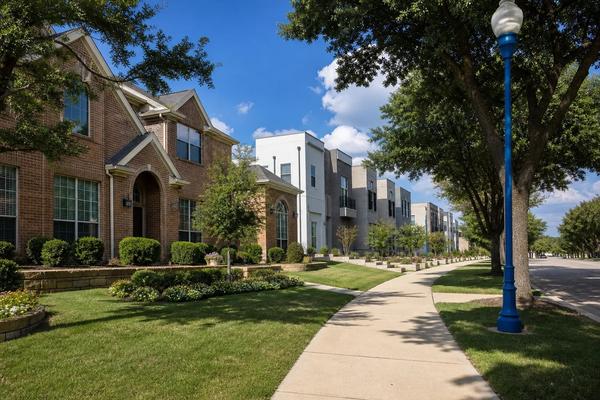
How to Buy a New Construction Home in DFW
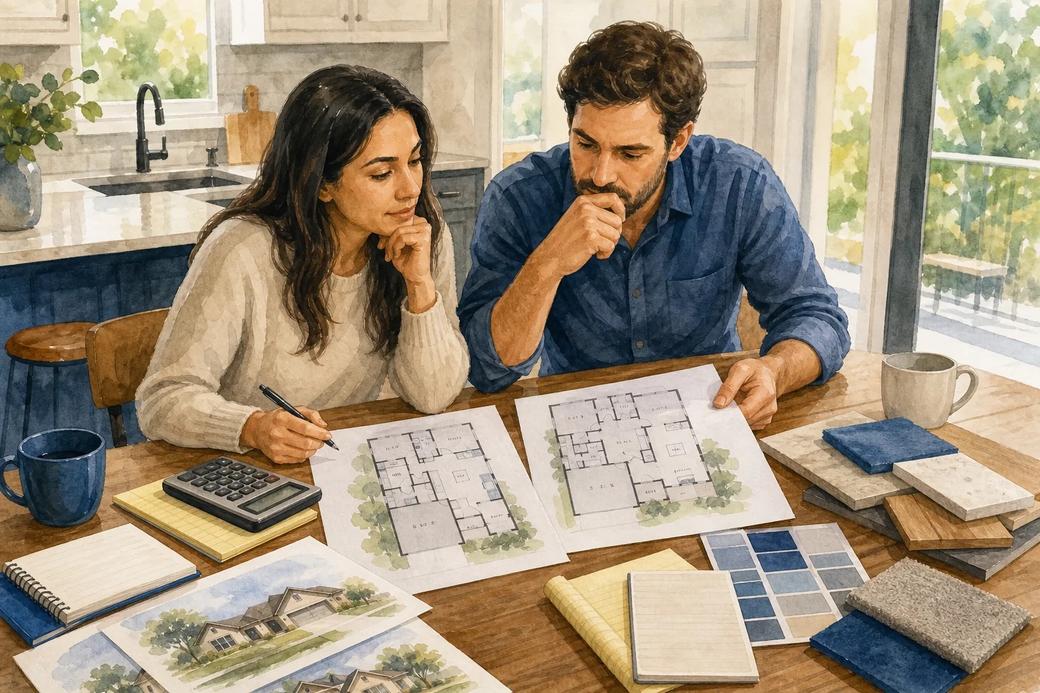
Buying a new construction home in DFW can be exciting. You walk into a beautiful model home, start looking at floor plans and finishes, and it's really easy to get ahead of yourself. But there's a lot more to consider than the builder's advertised base price. Taxes, lot premiums, upgrades, HOA costs, financing, incentives and inspections can all affect what you're actually buying and what you'll actually pay. That's why I want to be involved before you visit the model home or start talking with the builder. Let's go through the process step by step so you know what to expect.
Table of Contents
- Step 1: Set Your Budget and Talk With Me Before Visiting Model Homes
- Step 2: Compare DFW Builders, Communities, Base Prices, and Upgrades
- Step 3: Review the Texas Contract, Financing, Incentives, and Construction Timeline
- Step 4: Schedule Independent Inspections and Track Construction Milestones
- Step 5: Complete the Final Walkthrough, Closing, and Warranty Handoff
- FAQ: Buying a New Construction Home
- Conclusion
Step 1: Set Your Budget and Talk With Me Before Visiting Model Homes
Before you start looking at new construction homes, figure out what monthly payment you're actually comfortable with. A lender may approve you for more than you want to spend. Those are two very different numbers.
Start with a written preapproval. Ask your lender to show you the full estimated monthly payment, including principal, interest, property taxes, homeowners insurance, mortgage insurance if applicable, and estimated HOA dues. Once we narrow down the communities you're considering, we can look more closely at the taxes and other costs associated with those specific homes.
Some new construction communities in DFW may also have additional costs associated with MUDs or PIDs. Those can affect the overall cost of owning the home, so they're something we'll want to identify and understand when we're comparing communities.
Talk to me before you visit the model homes or speak with the builder's sales representative. The builder's representative works for the builder. I represent you, and I want to be involved from the very beginning, before you register, discuss incentives, or start making decisions with the builder.
You can also use my Dallas-Fort Worth Home Buying Guide to help organize your preapproval documents and cash plan. Before we start comparing communities, you should have a good idea of your down payment, estimated cash needed for closing, and the monthly payment you're comfortable with.
Key Takeaway: Set your budget based on the full monthly cost, not just the builder's advertised base price.
Step 2: Compare DFW Builders, Communities, Base Prices, and Upgrades
When you're comparing new construction homes in DFW, don't compare base prices alone. We need to look at what the home will actually cost once you include the lot premium, structural or design selections, required options, HOA dues, estimated taxes, and closing costs.
I like to compare communities side by side. We'll look at things like the home and lot size, estimated tax rate, HOA dues, expected completion date, what's included with the home, and what costs extra.
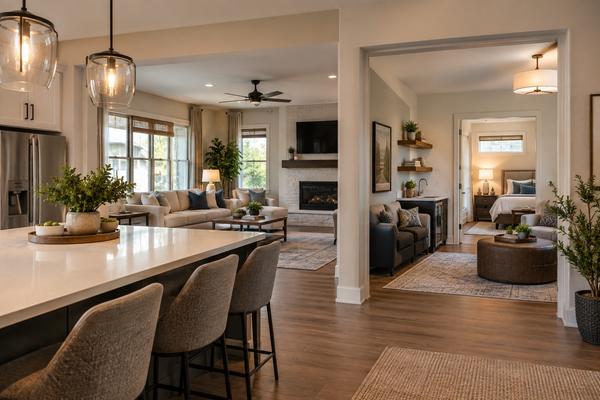
And don't assume everything you see in the model home is included. Model homes are designed to show off what the builder can do, not necessarily what comes with the base price. We'll find out what's standard, what's an upgrade, and what's simply part of the model.
Builders also approach new construction differently. Some offer more standardized floor plans and option packages, while others offer more opportunities for selections and customization. A quick move-in home may mean a shorter timeline and fewer choices, while building from the ground up may give you more opportunities to make selections along the way.
Builder incentives are another piece of the puzzle. You may see closing-cost credits, rate buydowns, design incentives, or other offers. Some incentives may require using the builder's preferred lender or title company, so we need to understand the requirements and compare the whole package, not just the incentive that sounds the biggest.
I can help you search DFW new construction homes while we compare builders and communities. My job is to help you understand what you're actually getting for your money and how the different options stack up.
Key Takeaway: The advertised base price is only the starting point. Compare what the finished home will actually cost.
Step 3: Review the Texas Contract, Financing, Incentives, and Construction Timeline
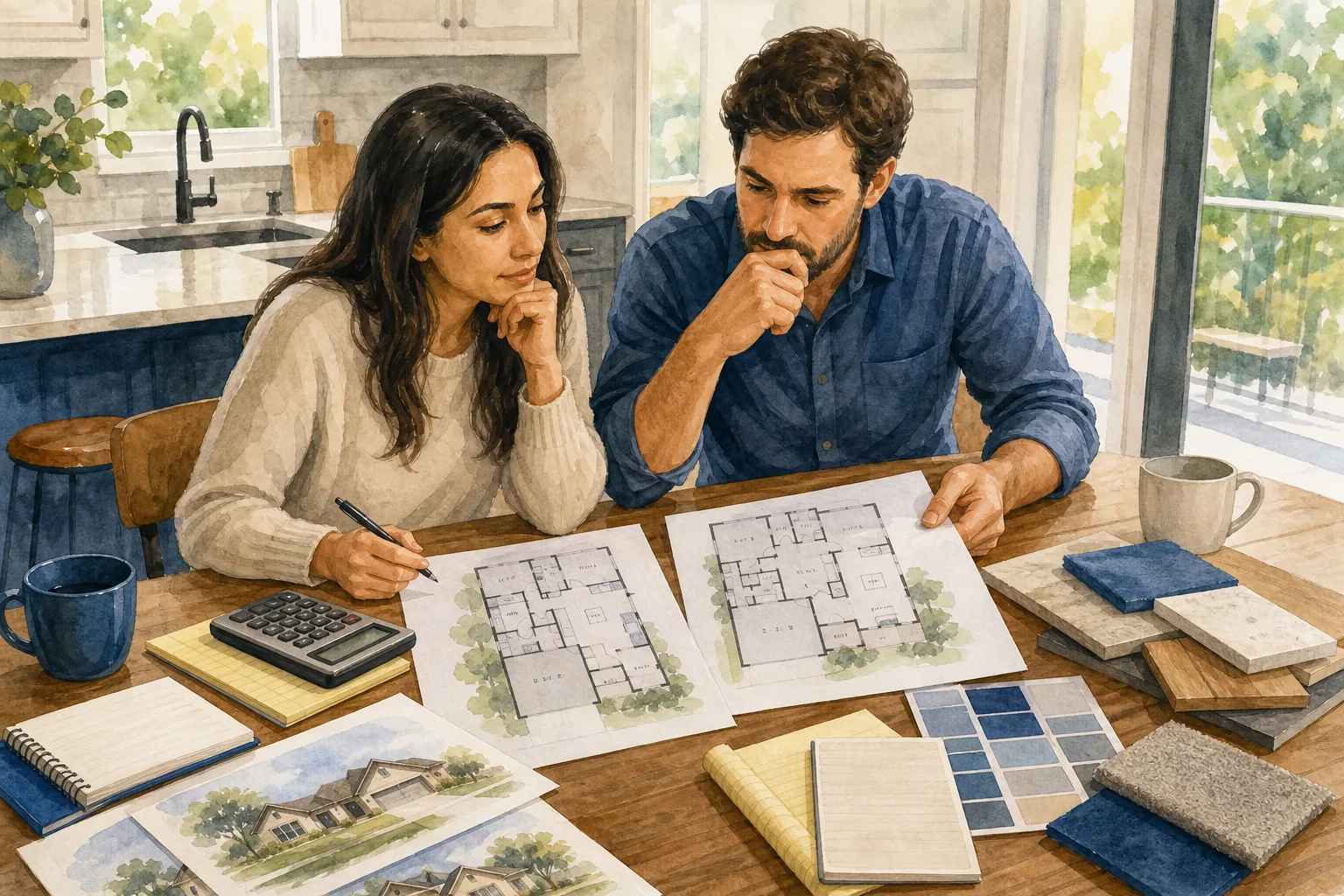
New construction usually involves the builder's own contract, and it can look very different from the resale contracts buyers may be familiar with. Before you sign anything, I want you to understand what you're agreeing to and know where we may need questions answered by the builder, lender, title company, or an attorney.
We'll pay attention to things like the purchase price, deposits, estimated completion dates, change orders, incentives, financing requirements, warranty information, and what happens if the construction schedule changes. If there's contract language that needs legal interpretation, that's when I want you getting advice from a real estate attorney, not me pretending to be one.
Financing deserves a close look too. Builders may offer incentives for using a preferred lender, such as closing-cost credits or rate buydowns. That doesn't automatically make the builder's lender the best or worst choice. We'll compare the interest rate, lender fees, points, cash needed to close, estimated monthly payment, and the requirements tied to the incentive.
The construction timeline matters because it can affect your financing too. A completed or quick move-in home may close relatively quickly, while a home being built from the ground up can take months. Weather, materials, permits, labor, and other issues can change that timeline, so estimated completion dates are exactly that: estimates.
Your lender needs to know when the schedule changes, particularly when a rate lock or other financing deadline is involved. I'll also stay in communication with the builder so we can keep track of what's happening as the home moves toward completion.
Key Takeaway: Don't look at the contract, financing, incentives, and construction timeline as separate pieces. They can all affect each other, and we want to understand the whole picture before you sign.
Step 4: Schedule Independent Inspections and Track Construction Milestones
A brand-new home still needs inspections. New doesn't mean perfect, and an independent inspector is looking at the home from a completely different perspective than the builder.
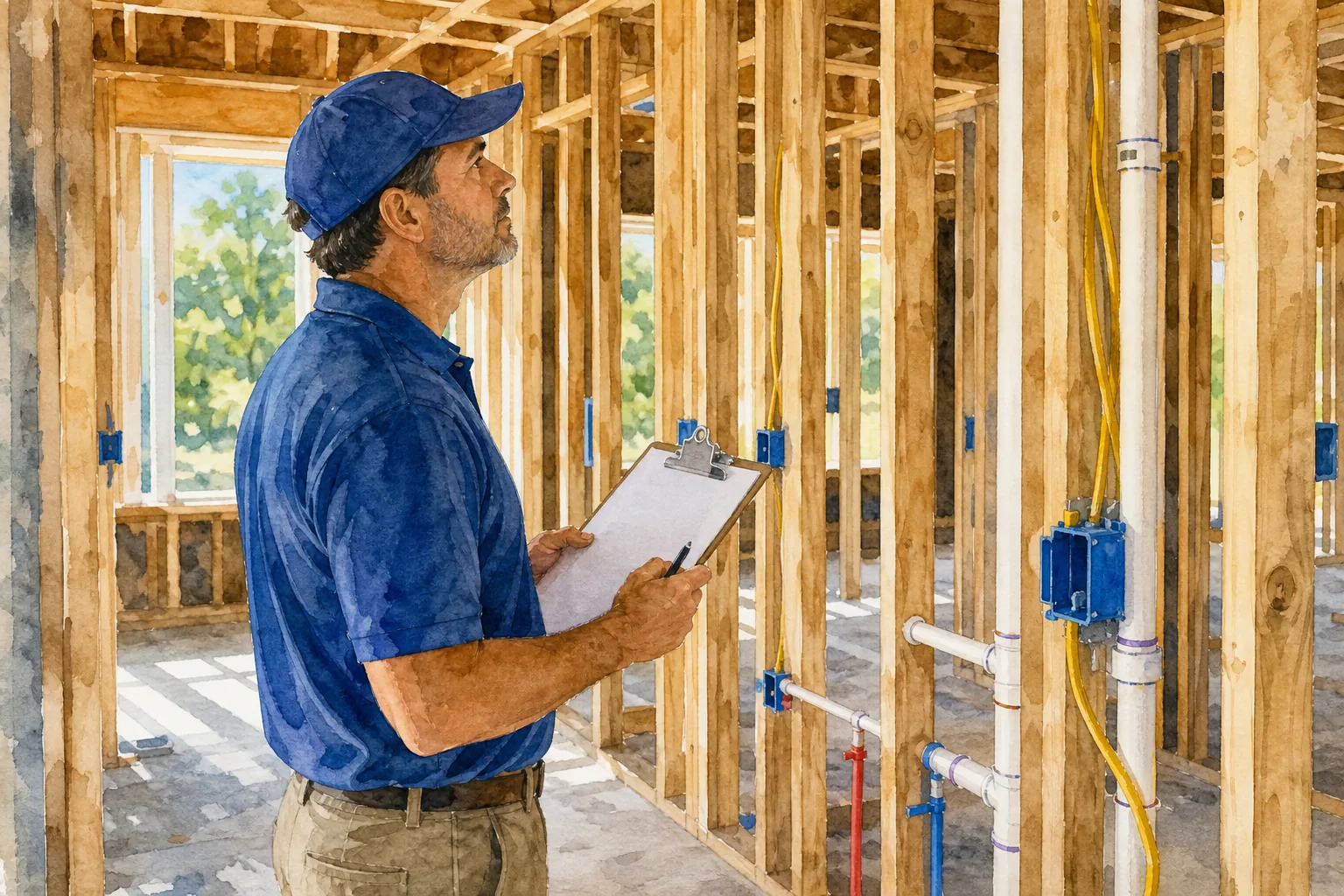
Depending on where the home is in the construction process, you may have an opportunity for a pre-drywall inspection. That's done after much of the framing, plumbing, electrical, and mechanical work is in place but before the drywall covers it up. If the builder allows it, this gives your inspector a chance to look at things that won't be visible later.
And yes, painter's tape can become your friend during this process. As we're going through the home, we can use it to mark visible items that need the builder's attention and take photos so we have a record of what we found. There's something oddly satisfying about walking through a brand-new house with a roll of painter's tape.
We'll also want an inspection before closing. Your inspector can evaluate the completed home and identify items that may need attention before you take ownership. I'll help keep the inspection timing coordinated with the builder and our contract deadlines, but the inspector is the professional evaluating the condition of the home.
Then there's the final walkthrough. That's our opportunity to make sure agreed-upon items have been addressed and that the home is in the condition we're expecting before closing. We'll keep track of anything that still needs attention and find out how the builder plans to handle it.
I also recommend considering an 11-month warranty inspection before the builder's one-year warranty period expires, if applicable. By then, the house has had some time to settle and has probably lived through a North Texas summer, which can reveal things that weren't obvious when you first moved in.
Keep your inspection reports, photos, repair lists, builder communications, and warranty information together. If something comes up later, having that documentation makes life a whole lot easier.
Key Takeaway: New construction still needs another set of eyes. Independent inspections give you opportunities to identify concerns during construction, before closing, and potentially before the initial builder warranty expires.
Step 5: Complete the Final Walkthrough, Closing, and Warranty Handoff
The final walkthrough is our last chance to look through the home before closing and make sure it's in the condition we're expecting.
We'll go room by room and check the items that were supposed to be completed or corrected. We'll also look at the selections and upgrades you chose and make sure everything appears to match what you contracted for.
And yes, this is where the painter's tape can come back out. We'll mark things that still need attention, take pictures, and keep track of anything the builder still needs to address. It's actually one of the more fun parts of the process.
If something isn't finished, we'll find out how the builder plans to handle it. I want that information documented rather than relying on somebody saying, “Oh, we'll take care of that later.”
Before closing, you'll review your final numbers with your lender and title company. If something looks different from what you were expecting, ask questions before you sign.
Once closing is complete and the transaction has funded, you get the keys. Keep your warranty information, builder contacts, appliance manuals, paint colors and other home information somewhere you can actually find it later.
And don't forget about that 11-month inspection we talked about in Step 4. Put a reminder on your calendar now, because eleven months from now you will probably not be thinking, Gee, I wonder if it's time for another home inspection.
Key Takeaway: The final walkthrough isn't just about admiring your brand-new house. It's our chance to look carefully, document anything that still needs attention and make sure you know what happens next.
FAQ: Buying a New Construction Home
Do I need a buyer's agent for a new construction home?
You aren't required to use a buyer's agent, but the builder's sales representative works for the builder. If I'm representing you, I'm there to help you compare communities and costs, understand incentives, keep track of deadlines, coordinate inspections, and help you through the process from beginning to closing.
And call me before you visit the model home or start talking with the builder. I want to be involved from the very beginning.
Can I negotiate the price of a new construction home in DFW?
Sometimes. It depends on the builder, community, particular home, construction stage, current inventory, and market conditions.
And price isn't the only thing we may look at. Builders may offer incentives involving closing costs, financing, upgrades, or other items. We'll look at the entire package and determine what makes the most sense for you rather than focusing only on the advertised incentive.
How many inspections does a new construction home need?
There's no single answer for every home. Depending on the construction stage and what the builder allows, you may have an opportunity for a pre-drywall inspection, an inspection before closing, and later an 11-month warranty inspection if applicable.
We'll coordinate the timing with the builder, and you'll use an independent inspector to evaluate the home.
How long does it take to buy a new construction home?
It depends on what you're buying. A completed or quick move-in home may be ready relatively quickly. A home being built from the ground up can take several months, and construction schedules can change because of weather, materials, permits, labor, or other issues.
That's why we'll keep your lender updated as the timeline changes, especially when financing deadlines or a rate lock are involved.
What should I check before closing on a new build?
Before closing, we'll compare the completed home with what you contracted for, look at your selections and upgrades, review outstanding inspection or walkthrough items, and make sure we know how anything unfinished will be handled. You'll also review your final numbers with your lender and title company before signing.
And yes, the painter's tape may make another appearance. 😂
Conclusion
Buying a new construction home in DFW can be exciting, but there are a lot more moving pieces than simply choosing a floor plan and picking out finishes.
My biggest advice is to get your financing in place, understand the full cost of the home, and get me involved before you visit the model home or start talking with the builder. From there, we'll compare communities and builders, look at incentives, keep up with the construction process, coordinate inspections, and make sure you know what's happening along the way.
The builder has people looking out for the builder. You should have someone looking out for you, too.
If you're thinking about buying a new construction home in Dallas-Fort Worth, let's chat before you head to the model homes. We'll get a plan together first.
Categories
Recent Posts