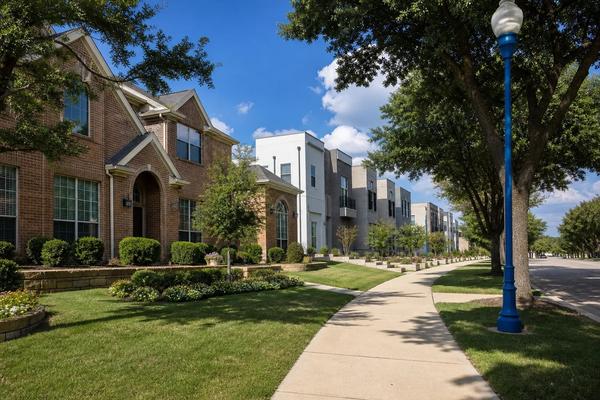
Moving to Dallas Texas: What to Know Before You Go

Moving to Dallas, Texas is about more than a change of address; it’s about finding the right commute, tax structure, climate, and daily rhythm for your lifestyle. With 18 years of real‑estate expertise, Tommye McCeig knows the nuances of Dallas and the broader DFW metro area and can guide you toward the neighborhood, lender, and service network that fit your goals. Below are the essential factors to review before you make the move.
Table of Contents
- Dallas and DFW Are Not the Same Thing
- What It Costs to Live in the Dallas Area
- Comparing Dallas, Plano, Richardson, Carrollton, The Colony, and Celina
- Daily Life: Commuting, Weather, Jobs, and New Construction
- Buying a Home After Relocating to North Texas
- FAQ About Moving to Dallas Texas
- Conclusion
Dallas and DFW Are Not the Same Thing
When people say they’re moving to Dallas, Texas they often mean the full Dallas‑Fort Worth metroplex. That shorthand can create confusion because Dallas is a single city, while DFW spans dozens of municipalities and counties.
Start your housing search with your work address in mind. A commuter whose daily stop is downtown Dallas may benefit from a home in Richardson or North Dallas. Someone working near Plano or Celina may save considerable time by living farther north. A short‑look map can be deceptive; rush‑hour traffic often stretches a “close” drive into a long commute.
City limits are only part of the picture. School districts, tax districts, county lines, and utility providers can shift from one block to the next. For example, a North Dallas address might sit right on the Collin County line, affecting taxes and school assignments. Verify the exact address before you decide.
A city‑level data source is a useful starting point, but it won’t show how a specific route feels at 7:30 a.m. Test both toll and free routes during the hours that matter to you.
DART can ease travel along certain corridors, especially near rail stations, yet most North Texas households still rely on a car for daily errands and work. A broader view from a regional overview helps illustrate why city boundaries alone don’t capture the true size of the area.
Key Takeaway: Identify your workplace and daily route before you choose a suburb. The map is only the first test.
What It Costs to Live in the Dallas Area
Cost of living is a critical piece of the moving puzzle, and it extends well beyond the home’s purchase price. While Dallas housing can compare favorably with other large metros, property taxes, insurance, and summer electricity bills often shift the bottom line.
Texas has no state income tax, a benefit that many buyers appreciate. That advantage is balanced by property taxes that can be higher than many newcomers expect. Rates differ by county, city, school district, and other taxing entities. Ask for a detailed payment estimate—including taxes and insurance—so you can set a realistic price ceiling.
Utilities deserve a close look, especially during the hot summer months when air‑conditioning runs constantly. The age of the home, quality of insulation, window efficiency, roof condition, and thermostat settings all influence the electric bill. Newer construction generally runs cooler, but a thorough inspection and a review of past utility history are still essential.
Closing costs are separate from the down payment. They typically include lender fees, title services, prepaid taxes, insurance, and escrow deposits. Texas contracts also contain an option period that gives the buyer time for inspections and due‑diligence. Because these terms are negotiable, avoid budgeting solely on generic national percentages.
Buyers receive mortgage disclosures after applying for a loan. Subsequent disclosures detail the final line items, reflecting the specific loan, property, insurance quote, taxes, and any negotiated terms. These documents are far more accurate than an online calculator.
Property taxes may also change after purchase. Ask the county appraisal district how the current taxable value compares with the likely value after closing. Once you own a primary residence, review the homestead exemption rules and filing deadline. Tommye McCeig, with his 18 years of market experience, maintains a comprehensive Texas homestead exemption guide to help buyers navigate this step.
Pro Tip: Compare homes based on total monthly cost. Include principal, interest, taxes, insurance, HOA fees, potential mortgage‑insurance, and a cushion for summer utility usage.
Comparing Dallas, Plano, Richardson, Carrollton, The Colony, and Celina
All of these communities appear in a “moving to Dallas, Texas” search, yet each offers a distinct housing inventory and commute pattern. Your comparison should begin with the specific property and the associated route, not a generic city label.
| Area | Housing and setting | What to check |
|---|---|---|
| Dallas | Urban neighborhoods, historic homes, condos, and newer builds in select pockets of the city. | City services, traffic flow, property taxes, noise levels, and exact school assignment. |
| Plano | Wide housing mix, corporate campuses, and newer subdivisions in the northern sector. | Proximity to work site, retail traffic, HOA terms, and school district boundaries. |
| Richardson | Established homes with mature trees, plus easy access to major roads and DART corridors. | Home age, renovation needs, foundation history, and limited new‑construction pockets. |
| Carrollton | Blend of established neighborhoods, townhomes, apartments, and newer builds. | Which city and school jurisdictions apply to the address. |
| The Colony | Newer subdivisions alongside established sections, with routes toward northern job centers. | Toll costs, traffic on major arteries, HOA rules, and upcoming construction nearby. |
| Celina | Rapidly developing zones with abundant new‑construction options and larger planned communities. | Builder timelines, road projects, utility costs, and distance to daily services. |
Richardson can trim a downtown Dallas commute compared with farther‑north suburbs. Plano may be the sweet spot for those whose jobs sit near a northern corporate campus. Dallas reduces distance to city‑center amenities but can involve higher traffic or cost in certain neighborhoods.
Carrollton, The Colony, and Celina all require an address‑level review. City names alone do not guarantee a single school district, tax rate, or HOA structure. The same general area can contain very different tax rates, utility providers, home ages, and road conditions.
 If you want a broader look at housing styles and municipal boundaries, Tommye McCeig’s Dallas‑Fort Worth cities and neighborhoods resource can help you organize the search before you dive into individual listings.
For schools, always use the official district site tied to the exact address. Boundaries shift, and a city name alone is insufficient evidence. The same principle applies to taxes, utilities, and transit options.
Daily Life: Commuting, Weather, Jobs, and New Construction
Daily life determines whether a move to Dallas, Texas feels like a gain or a hassle. A short home tour won’t reveal the true cost of traffic, summer heat, or a long commute.
Commutes in the Dallas area generally rely on a handful of major arteries. Toll routes can shave minutes off a drive but add recurring fees. Free routes may save money yet take longer during peak periods. Test the exact trip at the specific arrival time you need; a weekend drive rarely reflects a weekday rush‑hour reality.
Summer heat is a serious consideration. Highs often linger in the 90s for months, with occasional spikes above 100 °F. Inspect the age and service history of any air‑conditioning system, and ask about attic insulation, window condition, roof age, and prior utility usage. These details impact both comfort and ownership cost.
The DFW region boasts a robust employment base across technology, finance, logistics, health care, and corporate services. This economic diversity explains why many relocation searches focus on Plano, Richardson, Dallas, and the northern suburbs. Even when a metro‑wide job market looks promising, the specific location of the employer remains the most important factor.
New construction is prevalent in developing parts of the metro, especially around Celina and other northern locales. A brand‑new home can reduce immediate repair needs, but it still warrants a thorough inspection. Review the builder’s contract, included upgrades, lot premium, projected completion date, warranty terms, and any HOA documentation.
New construction also reshapes neighborhoods over time. A quiet street today could be adjacent to a future phase, road extension, new school, or retail project. Ask the builder or local planning department about planned developments around the property. Don’t evaluate a developing area solely on a single model‑home visit.
If you’re relocating through a major employer such as Samsung, Toyota, or another large company, a map‑based search can save valuable time. Provide your broker with the office address, preferred work schedule, toll preferences, and target move date. Tommye McCeig leverages her extensive network of lenders, inspectors, and contractors to keep the search focused and avoid overwhelming you with unrelated listings.
Buying a Home After Relocating to North Texas
Successful post‑relocation buying starts with clear boundaries. Begin with a lender‑approved budget, then subtract costs that a loan pre‑approval might not surface.
- Estimate taxes based on the exact property and all relevant taxing jurisdictions.
- Obtain an insurance quote before you place an offer.
- Set aside funds for inspections and option‑period expenses.
- Verify HOA dues, transfer fees, and any community restrictions.
- Test the commute at more than one time of day.
- Confirm the school district through the district’s own resources.
Remote buyers need an even tighter process. A video tour can illustrate layout and finishes, but it may miss road noise, drainage issues, odors, nearby construction, or the way natural light reaches each room. Request floor plans, seller disclosures, inspection reports, utility histories, and a local road map.
Resale homes and new construction raise different questions. For resale, focus on condition, required repairs, permits, roof lifespan, foundation health, and any past upgrades. For new construction, concentrate on the contract, upgrade pricing, builder warranty, construction schedule, and exactly what the base price includes.
Price is only one piece of the offer. You can also negotiate repairs, closing‑cost assistance, a rate buydown, or other favorable terms. Each of these choices impacts the cash needed at closing and the ongoing monthly payment, so have your lender review the financial impact before you commit.
Sellers moving into the area face their own timing challenges. They may need to sell an existing home while securing a new one. While a valuation gives a helpful starting point, it isn’t a guarantee of market price. Tommye McCeig offers a complimentary home valuation and strategy call, providing relocating owners a chance to discuss timing, financing, and next steps before choosing a listing plan.
Key Takeaway: A relocation plan should weave together the sale, purchase, financing, commute, and move date. Treating each component as an isolated task creates avoidable gaps.
One practical rule of thumb: hold off on an offer until the property passes three tests—the total monthly cost fits your budget, the commute works at the required hour, and the condition aligns with your repair budget. If any test fails, keep looking.
FAQ About Moving to Dallas Texas
Is Dallas a good place to move to?
Dallas can be an excellent fit when your job location, heat tolerance, budget, and transportation needs line up. The metro offers a range of housing types and employment hubs, but daily life is generally car‑centric. By testing your commute and calculating taxes up front, you can determine whether Dallas, Texas makes sense for your household.
What is the most affordable area near Dallas?
There isn’t a single “most affordable” neighborhood for every buyer because prices hinge on home age, school district, tax rates, and commute distance. Communities such as Richardson, Carrollton, The Colony, Celina, Plano, and various parts of Dallas each present different trade‑offs. Compare total monthly costs for specific addresses rather than relying on broad city averages.
Do I need a car in Dallas?
For most residents, a car is essential for daily errands and commuting, especially outside the core of downtown. DART operates rail and bus routes, but the transit network may not connect your home directly to your workplace. If you prefer to avoid driving, choose a location near a DART station and test the door‑to‑door trip before committing to a lease or purchase.
Are property taxes high in Dallas?
Property taxes in the Dallas area can be higher than in states that collect income tax. The exact amount depends on the combination of county, city, and school district levies. While Texas lacks a state income tax, it’s crucial to factor property taxes into your initial payment estimate. After closing, explore available homestead exemptions and verify the appraisal district’s rules for your property.
Should I buy new construction or an older home in North Texas?
The decision hinges on your repair tolerance, desired location, timing, and contract preferences. New construction often reduces short‑term maintenance but may involve builder timelines, optional upgrades, and future neighborhood development. Older homes can place you in more established streets and closer to amenities, yet inspection findings can vary widely. Compare the full cost of ownership—not just the list price—to decide which option aligns with your goals.
Conclusion
Before you move, narrow your search by work address, total monthly cost, and daily route. Then reach out to Tommye McCeig, a broker associate with 18 years of real‑estate experience, a trusted network of lenders, inspectors, and service providers, and a proven track record of helping relocators connect the move with a purchase or sale. For the moving phase itself, the Dallas‑Fort Worth moving checklist can keep you on schedule and ensure nothing is overlooked.
Categories
Recent Posts