New Construction vs Existing Home: A Clear Guide
It's a question I get from buyers all the time, and there's no one right answer.
New construction has some definite advantages. So does an existing home. The better choice depends on what matters to you, your timing, your budget, the location you want, and what you're comfortable taking on.
I've helped buyers with both, and I don't automatically steer someone toward one or the other. My job is to help you understand the differences so you can decide which one makes more sense for you.
Let's look at some of the things worth considering when you're comparing new construction and existing homes in Dallas-Fort Worth.
Table of Contents
- Upfront Price, Closing Costs, and the True Cost of Ownership
- Condition, Inspections, Energy Efficiency, and Maintenance
- Customization, Location, and the Buying Timeline
- Which Choice Fits Your Situation in North Texas?
- Frequently Asked Questions
- Conclusion
Upfront Price, Closing Costs, and the True Cost of Ownership
When you're comparing new construction and an existing home, don't assume one will automatically cost more than the other.
The purchase price is only part of the picture. With new construction, lot premiums, upgrades and builder incentives can change the numbers. With an existing home, condition, repairs and updates may affect what you'll spend after closing.
The important thing is to compare the whole picture, not just the price you see online.
| Cost question | New construction | Existing home | What to check |
|---|---|---|---|
| Purchase price | May start lower in some DFW comparisons | May cost more for a similar home | Compare similar size, location, age, and features |
| Financing | May include builder-lender incentives | Financing options vary by buyer & property | Compare rate, fees, cash to close, and total loan cost |
| Upgrades or repairs | Upgrades and lot premiums can raise the price | Repairs or renovations may follow closing | Price the complete scope before making an offer |
| Recurring costs | HOA, special districts, taxes, and insurance may apply | Taxes and HOA costs still require review | Use the full monthly payment, not the base price |
Builder incentives can sometimes help with closing costs, interest rates or other costs associated with the purchase. Those incentives may also be tied to using the builder's preferred lender.
That doesn't automatically mean it's the best financing option for you. This is where I want you talking with your lender and comparing the numbers so you understand exactly what you're getting before you make a decision.
Upgrades deserve the same care. Flooring, cabinets, counters, lighting, appliances, patios, and structural changes can push the final price far above the advertised base. It's easy to get carried away in a design center, so keep an eye on what those choices are doing to the final price of the home.
North Texas buyers should also ask about the total tax rate and whether the property has a MUD or PID. Those can affect the overall cost of owning the home. With new construction, early tax information may not reflect the value of the completed house, so make sure you're looking at an estimate based on the finished home, not just the land.
When you're figuring out what a home will really cost each month, look beyond the purchase price. Taxes, insurance, mortgage costs, HOA dues and other expenses can all affect the monthly payment. My guide on how much house you can afford in Texas goes into that in more detail.
Condition, Inspections, Energy Efficiency, and Maintenance
Condition is where the new construction versus existing home choice often feels most personal. A new home usually has newer systems and builder warranty coverage. An existing home may have older equipment, but an inspection can reveal its condition before you buy.
New does not mean perfect, which is why I recommend an independent inspection on new construction too. What inspections are available will depend on where the home is in the construction process and what the builder allows. If you're building from the ground up, there may be an opportunity for a pre-drywall inspection. If the home is already completed or close to completion, we'll focus on the inspections that are still available before closing.
Ask the builder how inspection access works. Ask which items must be fixed before closing. If the builder promises post-closing work, get the promise and deadline in writing.
An existing home needs a different review. Pay close attention to the roof, HVAC, water heater, electrical, plumbing, windows, drainage and foundation. North Texas soil movement makes foundation concerns something we pay attention to, but a concern on an inspection report doesn't automatically mean there's a major foundation problem. If something needs a closer look, we'll bring in the appropriate professional.
Existing homes may have more maintenance or repair needs depending on the age and condition of the home and its major systems. New construction may have fewer immediate maintenance needs, but new doesn't mean maintenance-free.
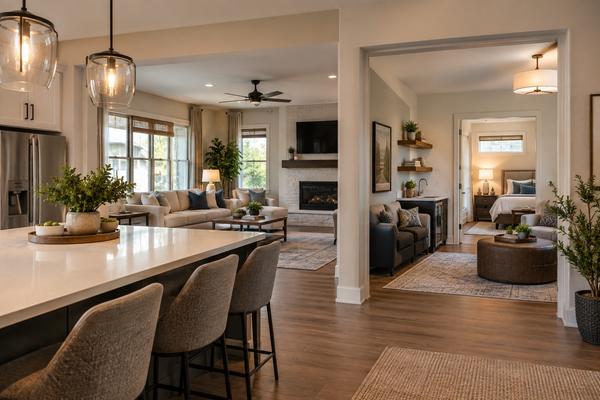
Energy use can matter in Texas heat. New homes commonly use newer insulation, dual-pane windows, and efficient HVAC equipment. Actual utility use depends on size, thermostat settings, rates, shade, and household use.
Resale homes may already have improvements that would cost extra in a new community. A mature yard, window coverings, finished patio, pool, or updated kitchen can have real value. Price those items before assuming an older home is the cheaper option.
Key Takeaway: A new home can reduce early repair risk, but an existing home can be a sound purchase when inspection findings, system age, and repair costs are clear.
Customization, Location, and the Buying Timeline
Customization can be one of the advantages of new construction, but it depends on when you're buying the home. If you're building from the ground up, you may be able to choose things like the floor plan, lot, elevation, cabinets, flooring, counters and other finishes. Your choices will still depend on what that builder offers.
With a spec or inventory home, many or all of those decisions have already been made. Depending on how far along the home is, there may be very little you can change.
Build timelines vary. A home built from the ground up may take considerably longer than a spec or inventory home that's already under construction. Weather, labor, permits, inspections and material delays can also affect the projected completion date.
That matters if a lease ends, a job starts, a rate lock expires, or a current home must sell first. Keep a buffer. Do not make moving plans around a date that the contract calls an estimate.
Existing homes usually provide a clearer path. After an accepted offer, the buyer completes due diligence and works toward the agreed closing date. The home is already standing, so the buyer can inspect the actual property rather than relying on plans and selections.
Location is another major dividing line. New communities often sit where land remains available. That can mean larger planned developments and newer amenities, but it may also mean a longer commute or nearby construction for several years.
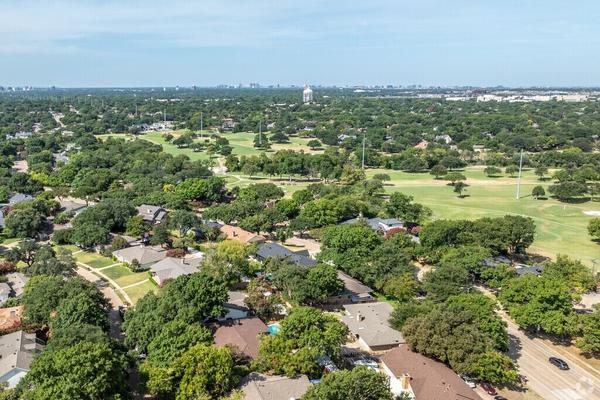
Existing homes may sit closer to established employment centers, shops, parks, and transit routes. They may also have mature trees and completed streetscapes. Visit any area at the times you would actually travel. Check the route, traffic pattern, drainage, nearby development plans, and services yourself.
Builder contracts need careful attention. They may address delay rights, material substitutions, upgrade deposits, inspection access, warranty steps, arbitration, and what happens if financing fails. The sales office can explain the builder’s process, but important promises belong in the written agreement.
I’ve written a separate guide on buying a new construction home in DFW because the contract and inspection process deserves more than a quick conversation at a model home.
New construction may make more sense if customization and newer systems matter more to you than having a firm move date. Resale may make more sense if location, timing, or having an established yard and finishes matter more.
Which Choice Fits Your Situation in North Texas?
For a North Texas buyer, the better fit depends on the trade-off you can live with. I start with four questions: When must you move? What is your full monthly limit? How much repair work can you handle? How long do you expect to keep the home?
New construction may fit when:
- You can handle a flexible completion date.
- You want newer HVAC, insulation, windows, and major systems.
- You prefer to select finishes within a builder’s menu.
- You have reviewed HOA, tax district, insurance, and utility costs.
- You can keep cash available after the down payment and closing.
Existing homes may fit when:
- You need a more predictable move date.
- You want to compare the actual condition before making an offer.
- You value an established setting or a more central location.
- You can handle repairs or plan a renovation budget.
- You want to negotiate based on inspection findings.
Resale does not mean neglected. Many existing homes have new roofs, updated HVAC systems, remodeled kitchens, or recent drainage work. Verify each claim with permits, receipts, disclosures, and an inspection when available.
One thing buyers sometimes miss is looking several years down the road. A new home may have fewer major repairs early on, while an existing home could have a roof, HVAC system or other major item that may need attention sooner. How long you expect to stay in the home is worth considering when you're comparing the two.
Also compare square footage carefully. A resale may include finished outdoor space or mature landscaping that a new home charges separately. A new home may include energy features that lower monthly bills. The useful comparison is the home as you will actually own it, not the base model or the listing headline.
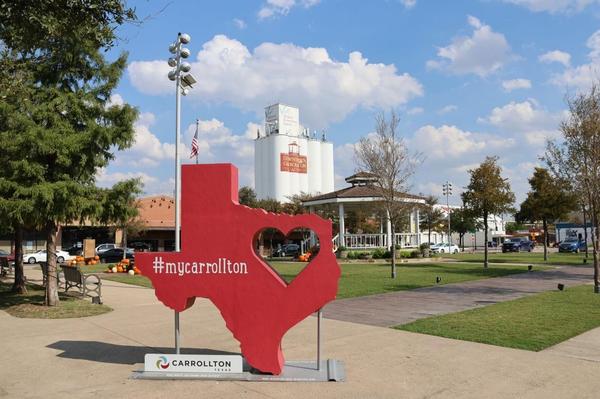
If you are relocating to Dallas, Plano, Carrollton, or another North Texas area, compare several areas without relying on assumptions about who lives there. Look at housing stock, commute routes, services, tax structure, HOA rules, and current listings. Then decide which setting fits your own needs.
When I'm helping you decide between new construction and an existing home, we'll look at the pros and cons of both based on what matters to you. And when we need information from a lender, inspector or another professional, we'll bring in the right person to help with that part of the decision.
Frequently Asked Questions
Is it cheaper to buy a new construction home or an existing home?
Either one may cost more depending on the home, location and what you're comparing. Add upgrades, lot premiums, HOA dues, special tax districts, financing costs, insurance, and future taxes. For resale, add likely repairs and renovation work. Compare the full cash-to-close amount and monthly payment before choosing.
Do new construction homes need an inspection?
Yes, I recommend an independent inspection on new construction too. What inspections are available will depend on where the home is in the construction process and what the builder allows. New doesn't mean perfect, and an inspection can help identify issues before closing.
Do existing homes cost more to maintain?
Existing homes can cost more to maintain when major systems are near the end of their useful life. Roof age, HVAC condition, plumbing, windows, drainage, and foundation movement deserve review. Some resale homes have already received major updates, so age alone does not determine cost. Use inspection findings and repair estimates instead of a general rule.
Are builder incentives worth taking?
It depends on what the builder is offering. Incentives might include help with closing costs, an interest-rate buydown, or a combination of things.
We'll look at the whole package, not just the incentive that sounds best on the surface. Your lender will likely be part of that conversation too, especially when we're comparing financing options and figuring out what makes the most sense for you.
Conclusion
There isn't one right answer when you're choosing between new construction and an existing home. I've helped buyers with both, and each has advantages depending on what matters to you.
We'll look at the location, timing, condition, costs and what you're actually getting with each home. If you're considering new construction, we'll also look at the builder, incentives, taxes, HOA or special districts, and where the home is in the construction process.
My job isn't to decide which one you should buy. It's to help you understand the differences so you can make the decision that feels right for you.
If you're considering new construction or an existing home in Dallas-Fort Worth, contact Tommye McCeig. Let's look at both options and figure out what makes sense for your next move.
Categories
Recent Posts