What Happens After Your Offer Is Accepted?
An accepted offer feels like the finish line. In Texas, it’s closer to the starting gate. The next 30 to 45 days may include earnest money, option money, inspections, repair talks, appraisal, title work, loan approval, and several firm deadlines. Tommye McCeig, broker associate, helps first-time buyers understand what happens next and what needs attention first.
Table of Contents
- The Offer Is Accepted, but the Timeline Is Just Beginning
- Inspections, Option Periods, and Repair Conversations
- Financing, Appraisal, Title, and Homeowners Insurance
- The Final Walk-Through and Closing Appointment
- What Can Delay or Change the Deal?
- FAQ
- Conclusion
The Offer Is Accepted, but the Timeline Is Just Beginning
When buyers ask, “What happens after my offer is accepted?” the first answer is simple: the contract clock starts after everyone signs and receives the executed agreement. The execution date becomes the reference point for many deadlines.
In many Texas transactions, closing takes about 30 to 45 days. The exact timeline depends on the contract, the lender, the property, and the title work. A government-backed loan may need more time for appraisal and underwriting. A cash purchase may move faster, but title issues can still slow it down.
Earnest money is usually due shortly after execution. The contract controls the exact deadline. Buyers send it to the escrow agent, often the title company, using the instructions provided by that company. A missed deadline can create a contract problem, so buyers should never guess where or how to send the funds.
Tommye McCeig can help buyers track those early dates and understand which documents require action. Buyers who need help reviewing loan basics can also use the mortgage information and home loan guide before speaking with a lender.
The option fee is separate from earnest money. It gives the buyer a negotiated option period. During that window, the buyer can inspect the home and decide whether to continue under the contract. The fee and the deadline must match the signed agreement.
Buyers should also keep their lender informed. Avoid opening new credit accounts or making large unexplained deposits without first asking the lender how it may affect underwriting. Even a small paperwork issue can lead to extra questions.
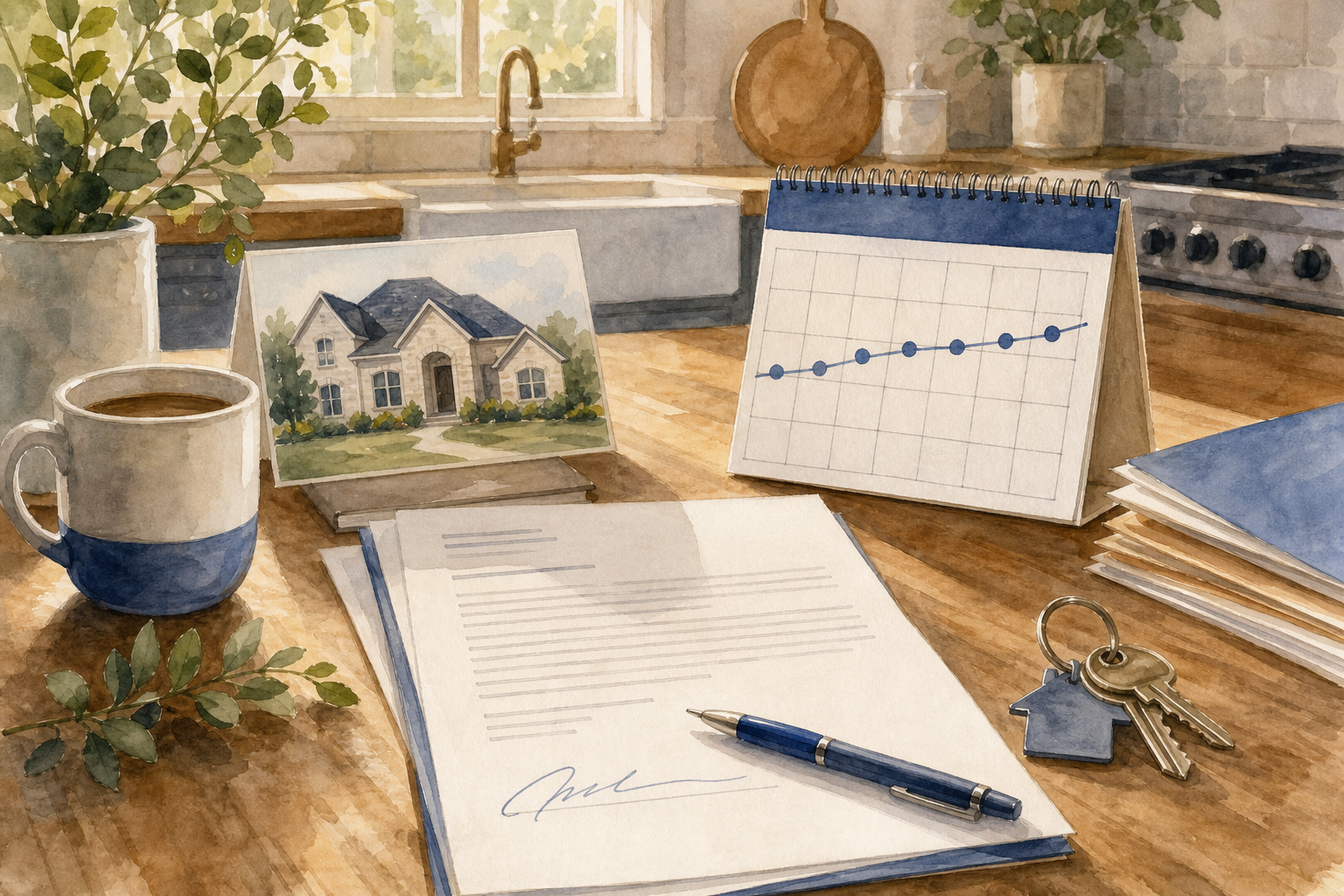
One thing Tommye tells buyers is to treat the first few days like a work calendar. Put every deadline in one place. Add reminders before each due date. Keep copies of receipts and delivery confirmations.
 The Texas Real Estate Commission regulates licensed real estate professionals and provides consumer information about real estate transactions. Contract terms still control the deal, so buyers should ask qualified professionals about their specific documents.
Key Takeaway: The accepted offer starts a deadline-driven process. Confirm the executed date, earnest money instructions, option period, and closing date right away.
Inspections, Option Periods, and Repair Conversations
Inspections are usually the first major task after an offer is accepted. The buyer hires an inspector to assess the home’s visible condition. An inspection is not a guarantee. It is a way to learn more before the option period ends.
A general inspection may flag concerns with the roof, foundation, plumbing, electrical system, HVAC equipment, drainage, or water entry. Older homes can raise different questions than new construction. A buyer may need a specialist to look at the foundation, sewer line, roof, pool, or chimney.
Buyers should attend when possible. Walking through the home with the inspector helps put the report in context. A long report does not mean every item needs a repair request. Some notes describe routine maintenance. Others may affect safety, cost, insurance, or future use.
Repair talks work best when they focus on facts. A buyer might request a licensed contractor address an active leak. Another buyer may accept a worn fixture and plan to replace it later. The right response depends on the contract, the inspection findings, and the buyer’s comfort with the property.
Possible outcomes include:
- Continue with the home as it is.
- Ask the seller to make specific repairs.
- Request a credit or price change if the contract allows it.
- End the contract during the option period, subject to its terms.
Keep requests in writing. A verbal promise is not enough. If the parties agree to a change, the amendment should identify the work, the deadline, and any proof needed after completion.
Buyers should not wait until the last day to schedule an inspection. If a specialist finds a concern late in the period, there may be little time left for a second opinion. This is one reason Tommye McCeig encourages buyers to schedule the general inspection as soon as the contract is executed.
The option period is also a decision point. Buyers need to know the exact end date and time. A missed deadline can change the buyer’s rights under the contract. If the property is a condominium or part of an HOA, buyers may receive additional documents that need review.
Pro Tip: with two columns in mind: items that need action before closing and items that can wait. That keeps repair talks focused.
There is no value in asking for every small defect just because it appears in the report. There is also no wisdom in ignoring a major issue to keep the deal pleasant. Ask questions, get estimates when needed, and make the choice that fits the signed contract and the buyer’s plans.
Financing, Appraisal, Title, and Homeowners Insurance
After an offer is accepted, the lender moves from pre-approval into full loan review. The lender may request updated income records, bank statements, employment details, explanations for deposits, or other documents. Responding quickly helps keep the file moving.
Tommye McCeig can refer buyers to a trusted lender for questions about the loan process. The lender, not the broker associate, decides whether the buyer qualifies and explains loan terms. Buyers should review those terms directly with the lender.
The appraisal is an independent opinion of the home’s value for the lender. If the appraised value supports the contract price, the financing process can continue. If it comes in below the price, the buyer may need to review the contract’s appraisal terms with the lender and broker associate.
Possible responses to a low appraisal can include a price discussion, a change in the buyer’s cash contribution, or termination if the contract gives that right. There is no single answer for every deal. The contract language matters.
Underwriting is separate from the appraisal. A home can appraise at the contract price while the loan still needs final approval. Keep finances steady and answer lender requests promptly. Do not make a major purchase or move money between accounts without asking first.
Title work happens at the same time. The title company searches public records for ownership issues, liens, unpaid taxes, unreleased loans, easements, or other matters that may affect the transfer. The buyer receives a title commitment or related documents for review.
Some title issues are easy to clear. Others take more time. An old lien may need a release. An estate may require extra documents. A boundary concern may call for survey review. Buyers should raise questions early rather than waiting for the closing appointment.
Homeowners insurance needs attention too. The lender may require proof of coverage before funding the loan. Insurance availability and cost depend on the property, the policy, and the insurer. Buyers should ask their insurance provider what information it needs and when the policy must begin.
The closing disclosure lists key loan and settlement details. Federal rules generally require the borrower to receive it at least three business days before closing.
Check the names, purchase price, loan amount, credits, deposits, and cash needed to close. If something looks wrong, ask the lender or title company before signing day. Small corrections are easier before everyone is sitting at the closing table.
The Final Walk-Through and Closing Appointment
The final walk-through happens near closing. It is a condition check, not a new inspection. The buyer confirms that the home is in the expected condition and that agreed repairs appear complete.
During the walk-through, buyers should check the rooms, appliances, fixtures, garage, attic access, and outdoor areas covered by the contract. They should confirm that items included in the sale remain at the property. Personal belongings should be removed unless the contract says otherwise.
Bring the repair amendment and inspection notes. If a contractor completed agreed work, ask whether invoices or receipts are available. A repair that cannot be seen may need written proof.
Normal wear can happen during a move. A new leak, missing appliance, damaged floor, or abandoned furniture is different. If a problem appears, contact the broker associate and title company before signing. The parties may need to document a solution.
 At closing, the buyer signs the loan and transfer documents. The title company coordinates the paperwork and confirms the funds. The lender sends loan proceeds after its conditions are met. The title company then disburses funds and records the deed according to the transaction process.
Signing does not always mean the buyer can walk into the home immediately. Possession depends on the contract and the timing of funding and recording. Confirm when keys, codes, remotes, and access devices will be released.
Bring a valid form of identification if the title company requests it. Follow its instructions for wiring funds. Verify wiring instructions through a known, trusted channel. Wire fraud is a serious risk in real estate because criminals may impersonate a title company or lender.
A calm closing comes from early review. Read documents before the appointment when possible. Ask questions about anything that does not match the buyer’s records. There is no prize for signing quickly while confused.
Key Takeaway: The walk-through checks the property. The closing appointment completes the paperwork. Funding, recording, and possession determine when the purchase becomes final for the buyer.
What Can Delay or Change the Deal?
Even a well-planned transaction can change before closing. The main risks usually come from missed deadlines, loan changes, appraisal results, title problems, insurance issues, or property condition.
Loan delays are common when a buyer sends documents late or changes financial circumstances. A new debt payment can affect the lender’s review. A job change may prompt more underwriting questions. Buyers should tell the lender about major changes instead of hoping they will not appear.
Appraisal delays can push back the schedule. The delay may be worse when comparable sales are limited or when the property has unusual features. Ask the lender when the appraisal was ordered and whether the report has arrived.
Title problems can also affect the closing date. An unreleased lien, ownership dispute, probate matter, or missing HOA document may require more work. The title company should explain what is needed and who must provide it.
Repairs can cause trouble when the scope is unclear. “Fix the roof” is not as clear as identifying the contractor, the work, the deadline, and the proof of completion. Written amendments reduce confusion.
Wire fraud deserves its own warning. Never rely on a last-minute email that changes payment instructions. Confirm the details using contact information already known to the buyer, not a number in the suspicious message.
Buyers should also avoid making the home purchase more complicated during the contract period. Do not add a new applicant without asking the lender. Do not cancel an existing credit account without guidance. Do not assume a gift, deposit, or transfer is harmless.
If the closing date needs to change, the parties usually need a written amendment. Do not assume an informal agreement extends a deadline. The signed contract remains the key document.
Tommye McCeig’s role is to keep communication clear, watch the transaction calendar, and help buyers understand what question belongs with the lender, title company, inspector, or broker associate. That division matters. It keeps buyers from treating one professional as the answer to every issue.
For buyers who are already planning the move, a Dallas-Fort Worth moving checklist can help organize utilities, records, packing, and the final handoff. Moving tasks should not distract from contract deadlines.
FAQ
What should I do first after my offer is accepted?
First, confirm that every party signed the contract and that you received the executed copy. Then verify the earnest money deadline, option fee, option period, inspection schedule, and closing date. Give the contract to your lender and title company if they do not already have it. These first actions set the pace for everything that follows.
How long after an accepted offer do you close?
Most financed Texas purchases close in about 30 to 45 days, but the contract and loan type control the schedule. Cash deals may close sooner. Appraisal delays, underwriting questions, title issues, repairs, or insurance problems can extend the timeline. Ask the title company and lender which milestones must be complete before the closing date.
What is the option period in Texas?
The Texas option period is a negotiated time when the buyer can inspect the home and decide whether to continue under the contract. The buyer pays an option fee for that right. The contract states the period’s length and deadline. Schedule inspections early because waiting can leave too little time to review findings.
Can a seller refuse to make repairs after an inspection?
Yes, a seller may refuse a repair request unless the contract creates a specific obligation. The buyer can then decide whether to accept the property, negotiate another solution, or use a contract right that remains available. Repair requests should be based on the inspection and documented in writing. A broker associate can explain the process, but legal advice requires an attorney.
What happens if the appraisal is lower than my offer?
A low appraisal does not automatically cancel the purchase. The result depends on the contract’s appraisal terms and the buyer’s loan requirements. The parties may discuss a price change or another solution. The buyer should speak with the lender about loan impact and with the broker associate about contract choices before making a decision.
When do I get the keys after closing?
Keys are released according to the contract and the title company’s funding and recording process. Sometimes possession occurs at closing. Sometimes it occurs later. Confirm the exact handoff time before the appointment. The final walk-through should happen close enough to closing that the buyer can spot changes in the property’s condition.
Conclusion
After an accepted offer, focus on the calendar before the excitement fades. Confirm earnest money, option money, schedule the inspection, answer lender requests, review title documents, and prepare for the walk-through. If the process feels unclear, Tommye McCeig, broker associate, can help explain the next step and connect you with the right professional for each question. Buyers consistently note in their reviews that Tommye McCeig excels at explaining the contract, keeping them updated on what’s happening, and ensuring they stay informed.
Categories
Recent Posts